


Guide
What does dote mean?
To dote is to love someone so much that it shows in what you do for them. That is the whole definition — but it is only about five hundred years old. For the three centuries before it, the same word meant something close to the opposite.
dote verb — to love someone so much that it shows in what you do for them. Used with on: she dotes on her grandchildren.
Intransitive. Rhymes with wrote. The adjective is doting; the noun for the state is dotage, and that one has not moved in six hundred years — see below.
How the word is actually used
Dote describes behaviour, not feeling. That is the part a one-line definition loses. You can love someone privately and nobody need ever know; you cannot dote on them privately, because doting is the visible residue of the feeling — the fussing, the second helping, the coat held open, the photograph shown to a stranger at a bus stop.
It also carries a faint edge of excess, and the edge is the reason the word survives when love would do. A doting parent is being described warmly and teased in the same breath. Nobody has ever been called doting as a straightforward compliment, and nobody has ever been badly insulted by it either.
Almost always with on, and almost always about a person. People dote on children, on partners, on grandparents and on dogs. They do not dote on a career or a car — for those you would want obsess over, which has the excess without the affection.
Dote, adore, cherish, spoil
Four words for neighbouring things, and the differences are worth having:
- Adore is the feeling at full strength, and it is silent. You can adore someone who never finds out.
- Cherish is about care and keeping. It implies the thing is precious and might be lost, which is why it attaches to memories and objects as readily as to people.
- Dote is adoring made visible, with a hint that it has gone slightly past sensible.
- Spoil is doting seen from the outside by somebody who disapproves. Same actions, unkinder narrator.
It used to mean something close to the opposite
This is the part dictionaries keep in the small type at the bottom of the entry, and it is the most interesting thing about the word.
Dote turns up in English around 1200, as doten, and it meant to behave irrationally, do foolish things, be or become silly or deranged — or, specifically, to be feeble-minded from age. Not affection. Not love. Losing your grip.
The affectionate sense — to be infatuated, to bestow excessive love — does not appear until the late 1400s. So for roughly three hundred years, telling someone they doted was telling them they had lost their senses, and the modern meaning is the younger of the two by a wide margin.
The bridge between them is easier to see than it looks. Both senses are about a mind that has stopped being governed by judgement. One is a sad version of that and the other is a happy one, and English kept both for a while before quietly dropping the sad one.
Except that it did not drop it — it kept it in dotage
Dotage is formed from the same verb plus -age, and it shows up in the late 1300s — a century before dote turned affectionate. It meant then what it still means now: the feebleness of mind that comes with old age.
So the original sense never actually died. It went into a relative and stayed there, which is why two words off one root can sit in a modern dictionary meaning such different things. Dotard, an old fool, is from the same family. So is dotty.
Where it came from before English
There is no recorded Old English ancestor, so the trail runs sideways into the neighbouring languages rather than backwards. The closest relatives are Middle Dutch and Middle Low German doten, both meaning to be foolish, to be out of one's mind.
The wider family is more physical than any of that suggests: Dutch dutten, to take a nap or to mope; Icelandic dotta, to nod off; Middle High German totzen, to take a nap. The sense underneath all of them seems to be to nod the head — from there to becoming drowsy, and from there to being confused.
Which makes the modern word an unusually long journey: a nodding head, to a dozing one, to a confused one, to a besotted one, to a grandmother with too many photographs on her phone.
Two senses you will only meet in old books
Dictionaries still carry them, marked obsolete. Trees could dote — from the mid-1400s it was used of timber that had begun to rot or decay, a doted branch being an unsound one. And there was a noun dote, older than the verb, meaning a simpleton or a senile man. Neither survives in speech. Both make sense once you know the word started out being about decline.
Dote on, or dote upon?
Both are correct and both mean the same thing. Dote on is the ordinary modern form and the one to use by default. Dote upon is older and more formal; in current writing it reads as a deliberate choice rather than a mistake — the register of a wedding reading rather than a text message.
Dote over exists and is rarer still. If you are choosing and have no particular reason, choose on.
Where these dates come from
The attestation dates, the cognates and the obsolete senses on this page are from the Online Etymology Dictionary and Wiktionary, both read on 14 September 2026. Where they are quoted above, the wording is theirs.
One thing this page deliberately does not tell you is how much more common dote on is than dote upon. Everyone agrees on which is modern; nobody we checked publishes the ratio, and inventing a number for it would make the rest of this less trustworthy than it is.
And why a company is called Dote
Because it is the shortest word in English for the thing the product is for. We make cards that a phone opens — a video, a voice, a message, something the person keeps. Nobody buys one for themselves. Every one of them is somebody going slightly further than they had to for somebody else, which is the definition at the top of this page acted out rather than looked up.
There is more about that, and about the people behind it, on the about page. If you are here because somebody handed you a card, how it works is the page that explains the object in your hand.
Before you order
Common questions about the word
What does dote mean?
Dote is a verb meaning to love someone so much that it shows in what you do for them. It is almost always used with "on" — you dote on a person, rarely on a thing — and it carries a hint of excess: doting is love that other people can see you overdoing.
Is doting on someone a bad thing?
It depends who is saying it. The word carries a faint edge of too much — a doting parent is loving, and is also being gently teased. Said about yourself it is warm; said about someone else it can be a soft criticism.
Is it "dote on" or "dote upon"?
Both are correct. "Dote on" is the ordinary modern form. "Dote upon" is the older and more formal one, and today reads as deliberately literary rather than wrong.
What is the difference between dote and adore?
Adore describes a feeling. Dote describes the behaviour the feeling produces — the fussing, the spoiling, the small unnecessary kindnesses. You can adore someone silently. You cannot dote on them silently.
Where does the word dote come from?
It appears in English around 1200 as "doten", meaning to behave irrationally or to be feeble-minded with age, probably from the same root as Middle Dutch and Middle Low German "doten", to be foolish. The affectionate meaning only arrives in the late 1400s.
What does dotage mean?
Dotage means the feebleness of old age. It came off the same root as dote in the late 1300s and kept the original sense of the word — which is why the two relatives mean such different things today.
The word, made into an object.
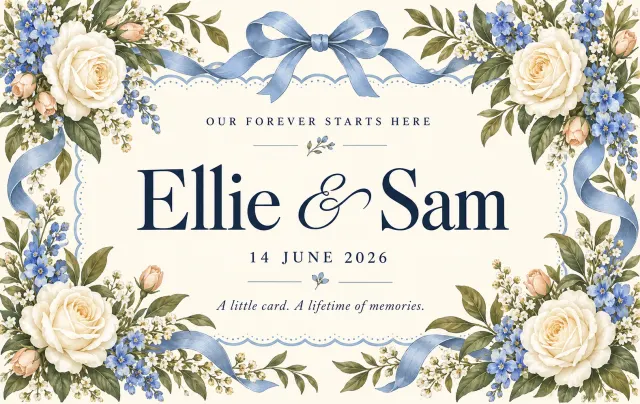
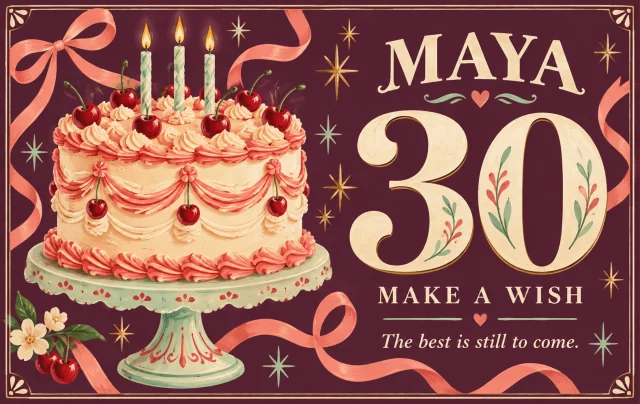
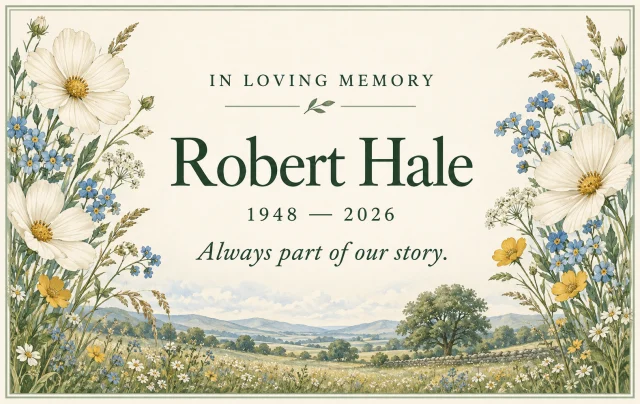
A card a phone opens — engraved in wood or steel, or printed in full colour. What is inside can change forever.
See the cards — from $30Ships in 24 hours · Free tracked shipping · Ships in 24 hours